
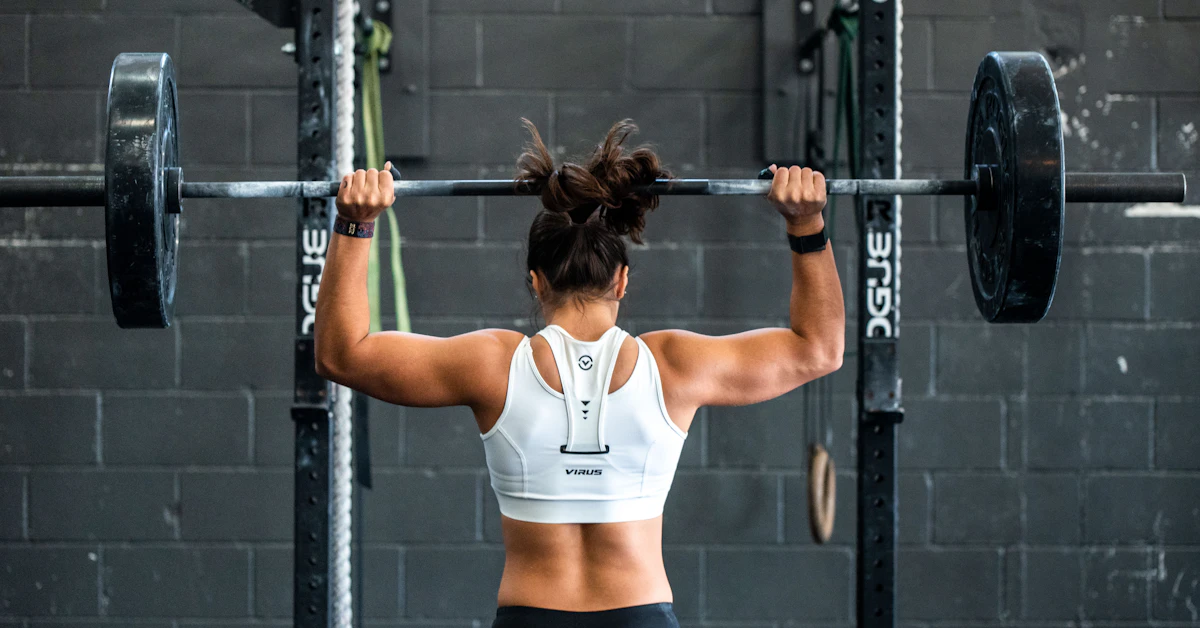
Creatine for women has moved from a niche sports-supplement topic into mainstream wellness. More women are asking whether creatine can support strength training, muscle function, performance, and healthy aging — and whether the evidence in women is as strong as the marketing makes it sound.
Creatine is one of the most studied sports supplements overall. The NIH Office of Dietary Supplements notes that creatine can improve strength, power, and repeated short bursts of intense activity. Female-specific research is growing, but it is still smaller and more variable than the total creatine evidence base.
A 2026 systematic review and meta-analysis found possible small benefits for selected performance and body-composition outcomes in women, while also rating the certainty of much of the evidence as low or very low. That is a useful way to frame the topic: creatine is promising and well studied overall, but women-specific claims should stay measured.
(Related: Strength Training Basics for Women)
What Is Creatine?
Creatine is a compound made from amino acids and stored mainly in skeletal muscle. The body makes some creatine on its own, and smaller amounts come from foods such as meat and fish. Inside muscle, creatine helps maintain rapid energy availability during short, demanding efforts.
That energy role explains why creatine has the strongest track record for repeated high-intensity work such as resistance training, sprinting, and explosive exercise. It is not a stimulant. It does not work like caffeine, and it does not need to create a noticeable “energy rush” to be active.
Supplemental creatine raises the amount stored in muscle over time. Creatine monohydrate is the form with the largest research base and is usually the reference form in sports-nutrition guidance.
Why Creatine for Women Is Getting More Attention
For years, creatine marketing was heavily aimed at male bodybuilders and athletes. That made many women assume it was only useful for gaining large amounts of muscle or that it would automatically cause a bulky appearance.
Research and public discussion have shifted that picture. Women are increasingly using resistance training for strength, bone-supportive exercise, mobility, body composition, and healthy aging. Creatine fits naturally into that conversation because it may improve training quality and the ability to perform repeated hard efforts.
Researchers are also studying creatine across female life stages, including menstruation, pregnancy, and menopause. Some areas are interesting but still early. A wellness article should separate what is supported for exercise performance from emerging questions about cognition, mood, pregnancy, and aging.
What the Latest Female-Specific Evidence Shows
The 2026 review of women engaged in exercise or training included 34 studies in its systematic review and found small positive estimates for some performance and body-composition outcomes. The researchers also reported uncertainty because studies differed in training status, outcomes, protocols, and risk of bias.
This matters because a supplement can have a real average effect without working equally well for everyone. Training program, diet, baseline creatine stores, sleep, age, and adherence can all influence what a person notices.
The most defensible expectation is not dramatic transformation. Creatine may help women get a little more quality from repeated high-intensity training, which can become meaningful when combined with months of consistent exercise.
Creatine and Strength Training
Creatine is most relevant when training includes resistance exercise, sprints, intervals, or other repeated hard efforts. It helps replenish phosphocreatine, which supports rapid production of ATP — the immediate energy currency used during intense muscular work.
For a woman doing strength training, the practical benefit may appear as an extra repetition, slightly better power, or improved ability to maintain training quality across sets. Those small differences can support long-term progress when the training plan itself is appropriate.
Creatine cannot replace progressive overload, enough protein, adequate calories, rest, or good technique. It is an add-on to training, not the foundation.
(Read next: Protein Powders: Benefits and Risks)
Does Creatine Cause Weight Gain?
Creatine can increase body weight, especially early in supplementation, because more water is stored within muscle. This is not the same as gaining body fat.
For some women, seeing the scale rise by a small amount can be surprising. That is why it helps to understand the mechanism before starting. Changes in body weight should be viewed alongside strength, measurements, training performance, and how clothing fits rather than treated as a stand-alone verdict.
Longer-term body-composition changes depend far more on training, food intake, sleep, and total energy balance. Creatine itself is not a fat-loss product.
Creatine for Women Over 40
Interest in creatine often rises during the 40s and beyond because muscle mass and strength become increasingly important to mobility and healthy aging. Resistance training remains the main intervention. Creatine may be a useful companion for some women who are already training consistently.
Postmenopausal women have been included in creatine studies, but results are not identical across every trial. Some research suggests benefits when creatine is paired with resistance training, while other outcomes remain uncertain.
This is also the age range when medication use and chronic health conditions become more common. Women with kidney disease or other significant medical conditions should discuss supplements with a qualified clinician rather than assuming a standard gym dose applies to them.
How Much Creatine Do Women Usually Take?
A common research approach is 3 to 5 grams of creatine monohydrate per day. Another approach uses a short loading phase of around 20 grams per day split into several doses for 5 to 7 days, followed by a smaller daily amount. Loading fills muscle stores faster, but it is not required.
Many people prefer the simpler route of taking a small daily dose and allowing muscle stores to rise gradually. Consistency matters more than taking it at a perfect time of day.
Exact dosing should still reflect the person, product, health status, and professional advice. A scoop is not always the same number of grams across brands, so the label matters.
What Type of Creatine Is Best Studied?
Creatine monohydrate is the most widely studied form. Many newer forms are marketed as more absorbable, more advanced, or less likely to cause water retention, but they do not have the same depth of evidence.
A simple product with creatine monohydrate and clear labeling is often easier to evaluate than a proprietary blend. Third-party testing can add another layer of quality assurance, especially for competitive athletes or anyone concerned about label accuracy.
There is little reason to pay more for complicated branding if the goal is simply to use the form that appears most often in research.
Possible Side Effects and Safety
The NIH notes that creatine appears safe for healthy adults when used in studied amounts, including longer-term use over several years. The most common practical effects include some water-related weight gain and, in some people, stomach discomfort.
Large single doses may be harder on the stomach than smaller doses. Taking creatine with food or using a lower daily amount can be easier for people who are sensitive.
Pregnancy, breastfeeding, kidney disease, complex medical conditions, or regular use of medications deserve individual medical advice. Emerging research in pregnancy does not mean routine supplementation should be started without a clinician.
Medical note: This article is educational and is not a substitute for medical care. Speak with a qualified healthcare professional if you have a health condition, are pregnant or breastfeeding, or take regular medication.
(Related: Daily Supplement Routine Guide)
Common Creatine Myths Women Hear
“Creatine is a steroid.” It is not. Creatine is a naturally occurring compound involved in cellular energy metabolism.
“Creatine automatically makes women bulky.” Muscle growth depends on training, genetics, nutrition, and time. Creatine may support training, but it does not override those factors.
“Women need a special pink creatine formula.” There is no biological reason a woman needs a gender-branded form of creatine. The ingredient and dose matter more than the marketing theme.
“Creatine is only for bodybuilders.” Research includes a range of active people and athletes. Its strongest use case is repeated high-intensity activity, not a specific sport identity.
How to Decide Whether Creatine Fits Your Routine
Start with the training goal. If you mainly do resistance training, sprint intervals, or repeated high-intensity exercise, creatine is more relevant than if your routine is only low-intensity endurance work.
Next, check the basics. If protein intake is low, sleep is inconsistent, or training is random, fixing those areas may produce a bigger return than adding another supplement.
Then review health history, medications, product quality, and expectations. The goal should be a small evidence-based support to a strong routine, not a shortcut around the routine itself.
(Related: Beginner Home Workout Plan for Adults)
Frequently Asked Questions
Is creatine good for women?
Creatine can be useful for women who do resistance training or repeated high-intensity exercise. Female-specific research suggests possible benefits, but the size of the effect varies and some areas still need stronger evidence.
Will creatine make a woman gain weight?
It can cause a small increase in body weight from water stored in muscle. That is different from gaining body fat.
How much creatine should women take?
Many studies use 3 to 5 grams of creatine monohydrate per day after any optional loading phase. Individual medical needs can change what is appropriate.
Do women need a loading phase?
No. Loading fills muscle stores faster, but a smaller daily amount can also raise stores over time.
Is creatine safe for women over 40?
It may be appropriate for many healthy adults, including women over 40, but health conditions and medications should be considered. Resistance training remains the main part of a strength-focused routine.
Closing Lines
Creatine for women is no longer a fringe gym topic. The overall evidence for creatine is strong for repeated high-intensity performance, and female-specific research is becoming more useful. The newest evidence suggests possible small benefits while also reminding us that certainty is not equal across every outcome.
For women who already train consistently, creatine monohydrate can be a reasonable supplement to discuss and evaluate. Keep expectations realistic, use a clearly labeled product, and treat training, nutrition, sleep, and health history as the foundation.