
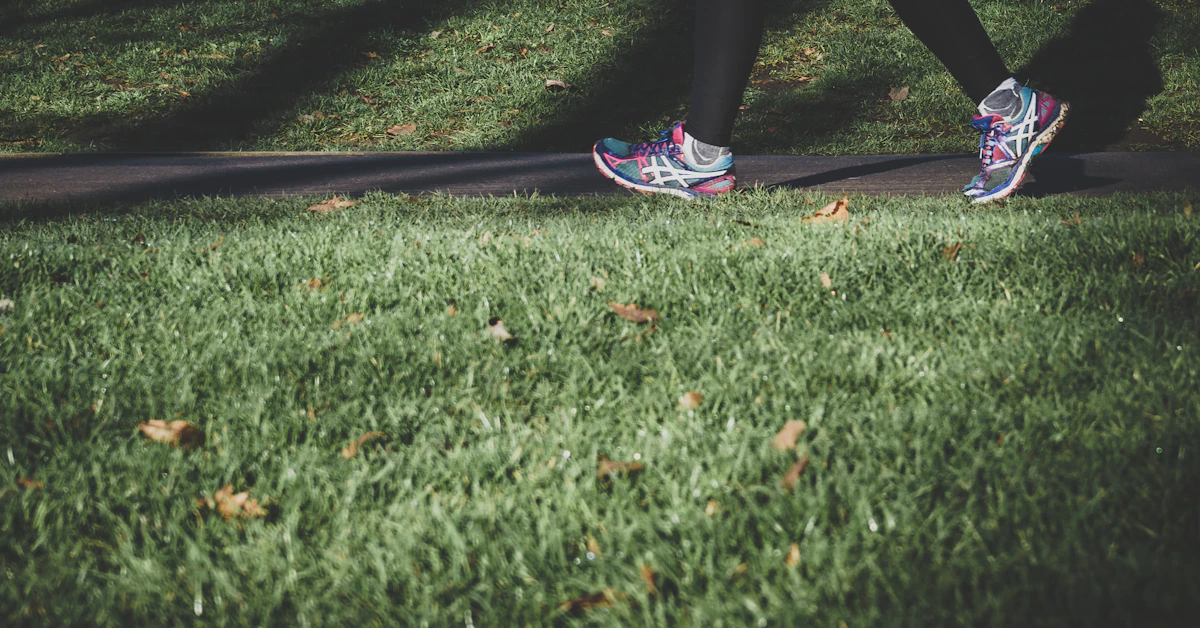
Walking after meals is a simple habit that has gained attention because even short bouts of light activity can affect the way the body handles a meal. The idea is not new, but social media has turned it into a wellness trend with names such as the “fart walk” or the “10-minute post-meal walk.”
The strongest reason to consider it is not the trend name. Research suggests that light walking after eating can help reduce the rise in blood glucose that occurs after a meal, especially compared with remaining seated.
It is also an easy way to add more movement to a day without scheduling a formal workout. For many adults, that practicality is the biggest benefit.
(Related: Healthy Daily Habits for a Balanced Lifestyle)
Why Walking After Meals Is Getting Attention
Many adults spend long periods sitting, especially after breakfast or lunch at a desk and after dinner in front of a screen. Post-meal walking replaces a small part of that sedentary time with gentle movement.
The habit is easy to understand and easy to demonstrate online. It requires no equipment, gym membership, or advanced plan. That makes it unusually accessible compared with many wellness trends.
Another reason is the growing interest in continuous glucose monitors and blood-sugar “spikes.” These devices have made people more curious about how meals and movement interact, even though healthy people do not need to chase perfectly flat glucose curves.
What Research Says About Post-Meal Walking
Muscle contraction helps move glucose from the blood into working muscle. That is one reason activity after eating can change the post-meal glucose response.
Research reviews and controlled trials have found that walking after meals can reduce post-meal glucose compared with prolonged sitting. The effect does not mean walking “erases” a meal or prevents all metabolic problems, but it can be one useful part of a healthy activity pattern.
Timing also appears relevant. Moving relatively soon after a meal can be more useful for the immediate post-meal response than waiting several hours.
How Long Should You Walk After Eating?
You do not need a long workout. Studies often use short bouts of walking, and even 10 to 15 minutes can be a realistic starting point.
A person who eats three main meals could accumulate 30 minutes of movement through three 10-minute walks. That does not replace strength training or other forms of exercise, but it can add meaningful low-intensity activity.
The CDC physical activity guidance emphasizes regular activity across the week. Short walks can contribute to that total.
When Is the Best Time to Walk?
A practical window is soon after finishing a meal, once you feel comfortable enough to move. There is no need to sprint out the door immediately after the last bite.
For a large meal, an easy pace may feel better than brisk walking. For a smaller meal, a slightly faster pace may be comfortable.
The habit works best when it fits naturally into the day. A loop around the block after dinner, a hallway walk after lunch, or a short outdoor walk after breakfast can all count.
(Read next: 20-Minute Daily Workout for Busy Professionals)
Can Walking After Meals Help Digestion?
Gentle movement can help some people feel less heavy after eating, and walking may support normal gastrointestinal motility. This is one reason the habit is often associated with digestion.
That does not mean everyone with bloating or digestive symptoms should walk more. Persistent pain, severe reflux, unexplained bowel changes, or ongoing symptoms deserve proper evaluation.
People with reflux may also need to experiment with pace and timing, because bending, vigorous movement, or exercise too soon after a large meal can feel uncomfortable.
Does It Help With Weight Management?
Post-meal walking burns some energy and can increase daily step count, but it is not a stand-alone weight-loss method.
Body-weight change is influenced by total energy intake, activity, sleep, medication, health conditions, and many other factors. The value of a short walk is that it is repeatable, not that it produces dramatic calorie burn.
People who consistently add several short walks may find it easier to maintain a higher activity level across the week.
Walking After Dinner and Sleep
A gentle evening walk can also create a boundary between dinner and the rest of the night. It may help people step away from screens, get fresh air, and mentally shift out of work mode.
Very intense exercise close to bedtime can feel stimulating for some people, but an easy walk is usually different. The goal is light movement, not a late-night training session.
If the walk happens outdoors, choose a safe, well-lit route and dress for the weather.
How to Build the Habit
Start with one meal. Dinner is often easiest because there may be fewer work constraints. Walk for 5 to 10 minutes at a comfortable pace.
Once that feels automatic, add a second meal if it fits your schedule. A phone call, podcast, or family walk can make the habit easier to repeat.
Do not worry about hitting an exact number of steps. The point is to break up sitting and add gentle movement.
(Related: Wellness Tips for Remote Workers)
Who Should Be More Careful?
People recovering from surgery, managing unstable heart symptoms, experiencing dizziness, or living with severe mobility limitations should follow medical guidance about activity.
People using glucose-lowering medication may also need individual advice, especially if they are increasing activity substantially or have a history of low blood sugar.
For most healthy adults, a short easy walk is a low-barrier form of movement, but personal safety and comfort still matter.
Frequently Asked Questions
Is walking after meals good for blood sugar?
Research suggests that light post-meal walking can reduce the rise in blood glucose compared with remaining seated, especially when done relatively soon after eating.
How long should I walk after dinner?
Five to 15 minutes is a practical starting range. Longer is fine if it feels comfortable and fits your routine.
Do I need to walk after every meal?
No. Even one or two short walks can add useful activity. Consistency matters more than perfection.
Can I walk immediately after eating?
Many people can walk gently soon after a meal. If a large meal makes you uncomfortable, wait a few minutes and keep the pace easy.
Does a post-meal walk replace exercise?
No. It can support daily movement, but adults still benefit from a broader routine that includes aerobic activity and muscle-strengthening exercise.
Closing Lines
Walking after meals is appealing because it is simple, inexpensive, and easy to repeat. The research around post-meal glucose gives the habit a reasonable evidence base, while the extra movement can also help reduce long periods of sitting.
You do not need a perfect 10-minute timer or a viral name. A short, comfortable walk after one or two meals is enough to make the habit useful.