
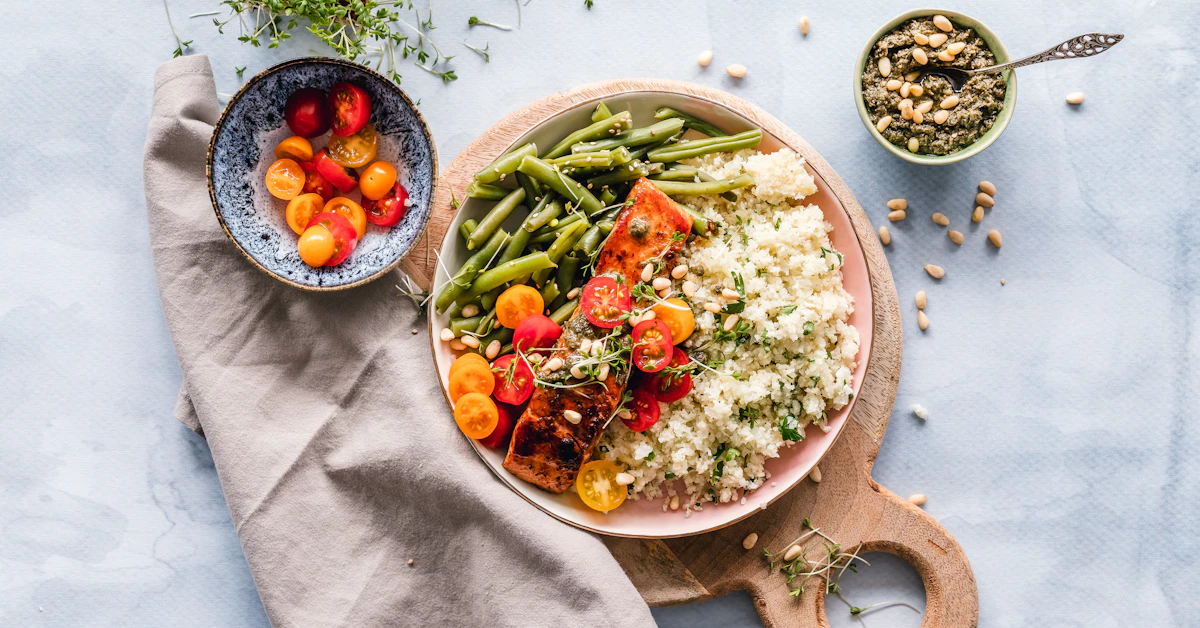
Fibermaxxing is the social-media name for deliberately pushing more fiber into meals and snacks. The idea has gained attention because fiber is one nutrient many adults do not get enough of, and the foods that supply it — beans, lentils, whole grains, fruits, vegetables, nuts, and seeds — fit well into a balanced eating pattern.
The trend gets one big thing right: fiber matters. The U.S. Food and Drug Administration lists a Daily Value of 28 grams of dietary fiber on a 2,000-calorie diet. What social media often leaves out is that more is not automatically better, and increasing fiber too quickly can leave some people bloated, uncomfortable, or constipated.
Fibermaxxing makes the most sense when it means eating a wider variety of fiber-rich foods and building intake gradually. It makes less sense when it turns into a contest, relies heavily on fortified products, or encourages people to ignore digestive symptoms.
(Related: Simple Healthy Living Tips for Beginners)
What Is Fibermaxxing?
Fibermaxxing is not a medical or nutrition-science term. It is a wellness trend built around raising daily fiber intake, often by adding foods such as chia seeds, oats, berries, beans, lentils, vegetables, whole-grain breads, and high-fiber cereals. Some versions also use fiber powders or highly fortified snack products.
The trend is easy to understand. Fiber supports normal bowel function, helps with fullness, and certain types of fiber can support healthy cholesterol and blood-glucose responses. Fiber-rich foods also bring other nutrients and plant compounds with them, which is one reason a food-first approach is usually more useful than chasing a single number.
A practical interpretation of fibermaxxing is not “eat as much fiber as possible.” It is “notice where your meals are low in fiber and improve them gradually.” That shift makes the trend more sustainable and less likely to create digestive problems.
Why Fiber Has Become a Wellness Trend
Fiber is having a cultural moment because gut health, blood sugar, satiety, and the microbiome have become major wellness topics. Social platforms can turn a basic nutrition principle into a memorable challenge, which helps explain why fibermaxxing spread quickly.
There is also a useful contrast with earlier diet trends that focused heavily on protein while giving less attention to plants. Protein remains important, but a plate can be high in protein and still be low in fiber. People who build most meals around meat, cheese, refined grains, or packaged convenience foods may realize they are missing legumes, vegetables, fruit, and whole grains.
The trend can be helpful if it redirects attention toward whole foods. It becomes less useful when people treat fiber as another metric to maximize without considering hydration, food variety, appetite, digestive tolerance, or individual health needs.
What Fiber Does in the Body
Dietary fiber is the part of plant foods that is not fully broken down and absorbed in the small intestine. Different fibers behave differently. Some dissolve in water and form gel-like material. Others add bulk. Some are fermented by gut microbes, producing compounds that can influence the intestinal environment.
Because fibers vary, eating several kinds of plant foods is more useful than depending on one “high-fiber” ingredient. Oats, beans, lentils, apples, berries, vegetables, nuts, seeds, and whole grains each bring a different mix of fibers and nutrients.
Fiber also changes the structure of a meal. A breakfast with oats, berries, and nuts usually takes longer to eat and digest than a low-fiber refined breakfast. A bowl that includes beans, vegetables, and a whole grain can feel more filling than the same calories from heavily refined foods. These effects are part of the reason fiber is often linked with digestive and metabolic health.
How Much Fiber Do You Actually Need?
There is no single perfect number for every person. The FDA Daily Value of 28 grams gives adults a useful label reference, while individual needs can vary with calorie intake, age, sex, medical history, and diet pattern.
If you currently eat very little fiber, jumping straight to a much higher intake may not feel good. Gut microbes and stool volume can change as intake rises. A slower increase gives the digestive system time to adjust.
It can help to think in meals rather than totals. Add berries or chia to breakfast, beans or lentils to lunch, vegetables and a whole grain to dinner, and fruit or nuts to snacks. Small changes across the day can raise intake without turning meals into a nutrition challenge.
What Fibermaxxing Gets Right
The strongest part of the trend is its food focus. Beans, lentils, vegetables, fruit, oats, barley, nuts, and seeds are affordable, widely available sources of fiber. Adding these foods can improve diet quality without requiring an expensive wellness product.
Fibermaxxing can also make people read Nutrition Facts labels more carefully. Looking at grams of fiber per serving can reveal how different two similar-looking products are. The FDA notes that 20% of the Daily Value or more per serving is considered high for a nutrient.
Another positive is that fiber encourages variety. A goal like “include a fiber source at each meal” is more flexible than a strict meal plan. It works across many eating styles and can be adjusted for culture, budget, and preference.
(Read next: Healthy Daily Habits for a Balanced Lifestyle)
Where Fibermaxxing Can Go Wrong
The main problem is speed. A sudden jump in fiber can trigger gas, bloating, cramping, loose stools, or constipation. This is more likely when someone adds large amounts of bran, fiber powder, or fortified foods all at once.
Hydration matters too. Some fibers absorb water, so increasing fiber while drinking very little may make bowel movements less comfortable. There is no need to force excessive water, but regular fluid intake becomes more relevant as meals include more dry whole grains, seeds, and fiber-rich foods.
Another concern is using supplements to chase extreme numbers. A fiber supplement can be useful in specific situations, but it does not provide the full nutrient profile of beans, vegetables, fruit, or whole grains. Supplements may also affect how some medicines are absorbed. People taking regular medication should ask a pharmacist or clinician about timing.
A Food-First Way to Try the Trend
Start with one or two changes rather than rebuilding your whole diet overnight. Swap a refined grain for a whole grain. Add a half cup of beans to a meal. Use fruit instead of juice. Sprinkle a small amount of chia or ground flax into yogurt or oats.
Next, look at variety. If all your fiber comes from cereal bars, the diet is technically higher in fiber but still narrow. Mixing legumes, fruit, vegetables, intact grains, nuts, and seeds is a better way to build a resilient eating pattern.
Pay attention to symptoms. Mild extra gas can happen when fiber intake rises, but persistent pain, major bowel changes, unexplained weight loss, blood in stool, or ongoing constipation should not be written off as a normal part of fibermaxxing.
High-Fiber Foods That Fit Everyday Meals
Beans and lentils are among the easiest foods to use because they work in soups, salads, tacos, bowls, curries, and pasta sauces. Oats and barley bring soluble fiber. Berries can add fiber to breakfast without much preparation. Pears, apples, oranges, and kiwifruit work as portable snacks.
Vegetables are useful, but not every vegetable is extremely high in fiber. A varied plate matters more than assuming that a few lettuce leaves will cover the day. Whole grains, legumes, nuts, and seeds often make a larger contribution.
Packaged foods can also fit, but read the ingredient list. Some products use isolated fibers to raise the label number. That does not automatically make them bad, but they should not replace the broader benefits of minimally processed plant foods.
Who Should Be More Careful?
People with certain digestive disorders, bowel narrowing, recent gastrointestinal surgery, chronic constipation, or medical diets may need a different fiber approach. During some digestive flare-ups, a clinician may temporarily recommend less fiber rather than more.
Older adults, people with swallowing problems, and anyone taking medicines that are sensitive to timing should also avoid copying high-dose fiber routines from social media without context.
For most healthy adults, a gradual food-first increase is a reasonable approach. The goal is comfortable digestion and a better-quality diet, not the highest fiber score possible.
(Related: Lifestyle Changes for Better Energy)
Frequently Asked Questions
Is fibermaxxing healthy?
It can be healthy when it means gradually eating more fiber-rich whole foods. It is less helpful when it encourages extreme intake, sudden changes, or heavy reliance on supplements and fortified products.
How much fiber should adults get?
The FDA Daily Value is 28 grams per day on a 2,000-calorie diet. Individual needs can differ, so the number is best used as a reference rather than a competition.
Can too much fiber cause bloating?
Yes. Rapid increases can cause gas, bloating, cramps, diarrhea, or constipation. Increasing intake in stages is usually easier on digestion.
Is fiber powder the same as fiber from food?
No. Supplements can provide specific fibers, but whole foods also provide vitamins, minerals, plant compounds, water, protein, or healthy fats depending on the food.
Should I drink more water when I increase fiber?
Regular hydration is helpful, especially when you add dry high-fiber foods or fiber supplements. You do not need to force excessive amounts of water.
Closing Lines
Fibermaxxing is one of the better wellness trends when the “maxxing” part is ignored. Most people do not need an extreme target. They need more beans, vegetables, fruit, whole grains, nuts, and seeds spread across normal meals.
A gradual increase, regular fluids, food variety, and attention to digestive comfort turn the trend into a practical habit. The useful lesson is simple: fiber deserves more attention, but health is not improved by turning one nutrient into a contest.